
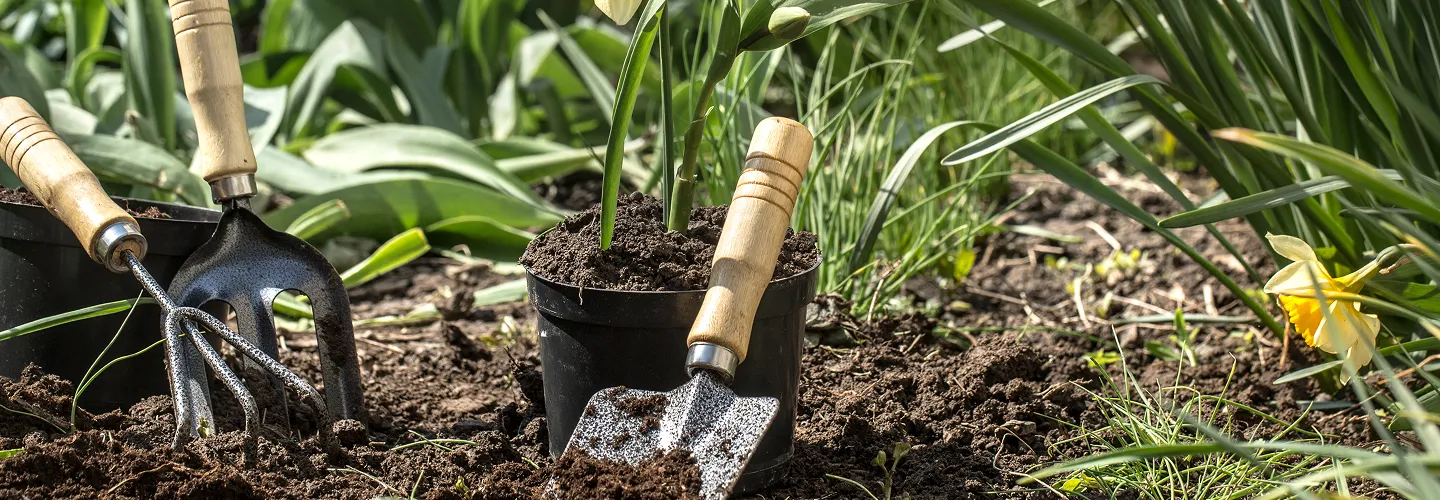
Ledyard Flower Planting Services
Choose our flower planting services for vibrant, expertly arranged blooms that enhance your home's curb appeal and create a welcoming outdoor oasis you'll love all season long.
Get a Free QuoteOur Ledyard Landscaping & Yard Care Services
When to Schedule Flower Planting in Ledyard, Connecticut – Seasonal Guide
Flower planting in Ledyard, Connecticut, is best scheduled with careful attention to the region’s unique climate and landscape. The optimal planting windows typically fall in early spring, after the last frost date—usually mid-April to early May—or in early fall, when soil temperatures remain warm but the risk of drought diminishes. Ledyard’s proximity to the Thames River and the rolling terrain of neighborhoods like Gales Ferry and Aljen Heights means microclimates can vary, so it’s important to monitor local weather patterns closely.
Local environmental factors such as late spring frosts, periods of high summer humidity, and the well-drained, sometimes rocky soils common in areas near Colonel Ledyard Park all play a role in determining the best time for planting. Homeowners should also consider shade coverage from mature trees, especially in established neighborhoods, and be aware of any municipal watering restrictions. For more detailed regional climate data, consult resources like the Sudbury, MA municipal site.
Local Factors to Consider for Flower Planting in Ledyard
- Proximity to wooded areas and tree density, which affect sunlight and soil moisture
- Terrain variations, such as slopes or low-lying spots prone to pooling water
- Average precipitation and risk of late spring or early fall frosts
- Soil composition, including drainage and organic content
- Municipal guidelines or restrictions on watering and landscaping
- Shade coverage from mature trees and nearby structures
Benefits of Flower Planting in Ledyard
Enhanced Curb Appeal
Seasonal Color Variety
Professional Plant Selection
Low-Maintenance Solutions
Eco-Friendly Landscaping
Increased Property Value
Ledyard Flower Planting Types

Perennial Flower Beds
-
Annual Flower Displays
-
Native Wildflower Gardens
-
Pollinator-Friendly Plantings
-
Shade Garden Flowers
-
Seasonal Bulb Planting
-
Container Flower Arrangements
Our Flower Planting Process
Site Evaluation
Soil Preparation
Plant Selection
Careful Planting
Watering and Mulching
Why Choose Ledyard Landscape Services
-
Ledyard Homeowners Trust Us
-
Expert Lawn Maintenance
-
Reliable Seasonal Cleanup
-
Competitive Pricing
-
Professional Team
-
Satisfaction Guarantee
-
Personalized Service
Ledyard’s Glacial Till Soils and Site Preparation for Flower Planting
Flower planting in Ledyard requires careful consideration of the town’s predominant glacial till soils, which are typically classified as Inceptisols and Ultisols according to the USDA Web Soil Survey. These soils are often rocky, moderately acidic (pH 5.5–6.5), and can exhibit poor drainage, especially in low-lying areas. Prior to planting, it is recommended to conduct a soil test through UConn Extension (typical cost: $15–25) to determine pH and nutrient levels. Site preparation should include:
- Removal of stones and debris to a depth of 8–12 inches
- Incorporation of 2–3 inches of compost tilled to a 6-inch depth
- Lime application if pH is below 6.0
- Installation of drainage improvements in poorly drained locations
Coordination with the Ledyard Department of Public Works is advised for guidance on soil amendments and debris disposal.
Ledyard Department of Public Works
741 Colonel Ledyard Highway, Ledyard, CT 06339
Phone: (860) 464-9060
Official Website: Ledyard Department of Public Works
Seasonal Timing and Climate Considerations for Flower Planting in Ledyard
Ledyard is situated in USDA Hardiness Zone 6b, with average annual minimum temperatures of -5°F to 0°F. The optimal window for planting hardy perennials and annuals is April 20–June 1, when soil temperatures reach 50–60°F. Fall planting of bulbs is best completed by October 15, before the first hard frost. The National Weather Service Boston/Norton office provides up-to-date frost advisories and precipitation forecasts for the region. Key timing guidelines include:
- Spring planting: April 20–June 1 (soil temp 50–60°F)
- Fall bulb planting: September 15–October 15
- Avoid planting during June–August heat stress period
- Monitor for late frosts in low-lying areas
Consulting local weather data is essential for scheduling, especially in neighborhoods near wetlands or the Thames River, where microclimates may delay soil warming.
Compliance with Ledyard Wetlands and Buffer Zone Regulations
Flower planting projects in Ledyard must comply with municipal and state environmental regulations, particularly when working near wetlands, streams, or conservation areas. The Ledyard Conservation Commission enforces a standard 25-foot no-disturbance buffer from delineated wetlands, and any planting within 100 feet of a wetland may require review. Prohibited activities include soil disturbance, fertilizer application, and planting of invasive species within buffer zones. Key compliance steps:
- Maintain a 25-foot undisturbed buffer from wetlands
- Submit a planting plan for review if within 100 feet of a regulated area
- Use only native or non-invasive species in buffer zones
- No fertilizer or pesticide application within 50 feet of water bodies
For further guidance, coordinate with the Ledyard Conservation Commission and review requirements under the Connecticut Environmental Protection Act and Clean Water Act.
Ledyard Conservation Commission
741 Colonel Ledyard Highway, Ledyard, CT 06339
Phone: (860) 464-3222
Official Website: Ledyard Conservation Commission
Plant Selection for Ledyard’s Microclimates and Deer Pressure
Selecting appropriate flower species for Ledyard involves accounting for local microclimates, deer browsing, and soil conditions. Native and deer-resistant species are strongly recommended, especially in areas bordering forest preserves or open space. Recommended species include:
- Full sun: Black-eyed Susan (Rudbeckia hirta), purple coneflower (Echinacea purpurea), daylily (Hemerocallis spp.)
- Partial shade: Coral bells (Heuchera americana), astilbe (Astilbe spp.), hosta (Hosta spp.)
- Deer resistant: Lavender (Lavandula angustifolia), Russian sage (Perovskia atriplicifolia), salvia (Salvia nemorosa)
- Native options: Wild bergamot (Monarda fistulosa), Joe Pye weed (Eutrochium purpureum), cardinal flower (Lobelia cardinalis)
Spacing should be 12–24 inches depending on mature plant size. For additional guidance, consult UConn Extension for plant selection and pest management resources.
Municipal Coordination and Flower Bed Maintenance Standards in Ledyard
Ongoing flower bed maintenance in Ledyard is subject to municipal standards for appearance, safety, and environmental protection. The Department of Public Works oversees right-of-way plantings and enforces maintenance requirements for public-facing beds. Key standards include:
- Equipment operation hours:
- Monday–Friday: 7:00 AM–7:00 PM
- Saturday: 8:00 AM–6:00 PM
- Sunday and holidays: Prohibited
- Use of biodegradable yard waste bags or 32-gallon bins for debris
- Weekly yard waste collection: Thursdays, April–November
- Prohibition of plastic bags and branches over 4 inches in diameter
- Maintenance of 15-foot clearance from roadways for safety
All personnel must use ANSI Z87.1 safety glasses, hearing protection for equipment over 85 dB, and cut-resistant gloves during maintenance. For questions on compliance or collection schedules, contact the Department of Public Works.
Ledyard Department of Public Works
741 Colonel Ledyard Highway, Ledyard, CT 06339
Phone: (860) 464-9060
Official Website: Ledyard Department of Public Works
What Neighborhoods Do We Serve Throughout Ledyard, CT?
- Gales Ferry: Features a mix of historic homes and newer developments, with moderately well-drained soils and proximity to the Thames River, requiring careful buffer management for flower beds near water.
- Aljen Heights: Characterized by larger lots and mature tree cover, this area often faces deer pressure and shade challenges, making deer-resistant and shade-tolerant plantings essential.
- Colonel Ledyard Estates: Newer subdivision with compacted soils and efficient drainage, requiring soil amendment and regular maintenance for successful flower establishment.
- Long Cove: Located near wetlands and conservation land, properties here must adhere to strict buffer zone regulations and often require native species to support local biodiversity.
- Indiantown: Features sloped lots and rocky soils, necessitating erosion control measures and careful plant selection for stability and drainage.
- Center Groton Road Corridor: Mix of residential and commercial properties with variable soil quality and higher traffic, requiring attention to safety standards and right-of-way planting regulations.
- Shewville Road Area: Rural character with sandy soils and limited municipal water access, making drought-tolerant and low-maintenance species preferable for sustainable flower beds.